
Can Character AI Make Imagination Feel Real?
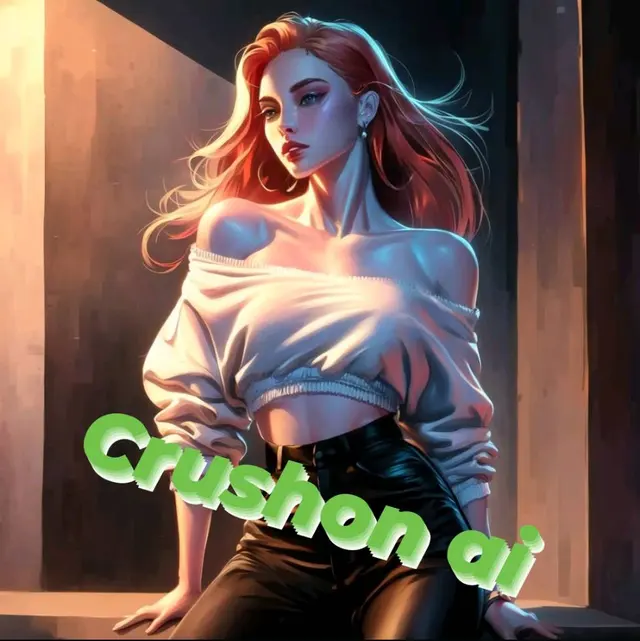
Character AI can make imagination feel more real by turning static ideas into interactive conversations. Since its launch in 2022, Character AI has attracted millions of users who create fictional personalities, roleplay scenarios, and explore original stories through AI dialogue. Unlike traditional books or movies, AI characters respond instantly, remember conversation details, and adapt their replies based on user input. A 2024 report on generative AI usage showed that creative writing and entertainment were among the most common consumer applications, with more than 50% of users trying AI tools for idea generation or personal creativity.
People have always used imagination to create worlds, characters, and stories, but most creative formats were one-directional. A novel gives readers a finished storyline, a movie presents a fixed script, and a game usually follows programmed choices. Character AI changes this experience by allowing users to communicate with fictional personalities in real time. A character designed with specific traits, background information, and speaking styles can respond differently depending on each conversation.
“A fictional character becomes more engaging when people can ask questions, receive answers, and influence the direction of the interaction.”
The feeling of realism comes from the combination of language generation, memory systems, and character settings. Large language models analyze patterns from huge collections of text and generate responses that match the context of a conversation. Character AI does not create a real person, but it can produce dialogue that follows a character profile. In 2023, research on conversational AI showed that users often judged AI-generated conversations based on consistency, natural language, and emotional expression rather than whether the system actually understood the topic.
The growth of Character AI reflects a wider change in digital creativity. In 2022, the platform gained attention among users interested in storytelling, roleplay, and entertainment. By 2024, AI companion and character platforms had become a growing category in consumer AI applications, attracting users who wanted more interactive experiences. Some users create fantasy characters, while others build original personalities for writing projects, games, or casual conversations.
| Traditional creative format | Interactive AI experience |
|---|---|
| Characters follow a fixed script | Characters respond to new situations |
| Readers observe the story | Users influence conversations |
| Personality is defined by the creator | Personality develops through interaction |
| Limited replay possibilities | Different conversations create different outcomes |
This interactive feature is especially useful for writers. Developing a fictional character often requires understanding how that person speaks, reacts, and handles different situations. Writers can use AI conversations to test dialogue before writing scenes. For example, a writer creating a detective character can ask how the character would respond to a difficult case, a personal conflict, or an unexpected event.
A 2023 survey of writers using generative AI tools found that brainstorming and idea development were among the most common uses, with many creators reporting that AI helped them explore alternative story directions. The technology does not replace writing skills, but it provides a faster way to examine possible conversations and character behaviors.
The same approach is used by game developers and digital creators. Modern games often require thousands of dialogue lines, making character development a time-consuming process. AI-based character systems allow creators to test personalities and conversation patterns before building complete interactive experiences. Some companies are exploring AI characters with voice, animation, and memory features to create more natural digital environments.
“The difference between reading about a fictional world and speaking with a fictional character is the ability to participate.”
Character AI also changes how people experience personal creativity. Someone imagining a science-fiction universe can create conversations with an astronaut, an alien explorer, or a fictional scientist. A person developing a fantasy story can interact with different characters to explore relationships and conflicts. The process becomes less like writing alone and more like building a world through conversation.
The technology has also influenced adult-oriented AI conversation platforms, where users explore fictional scenarios with customized characters. Platforms such as https://crushon.ai/ai-porn-chat demonstrate how AI dialogue systems are being applied to different forms of interactive entertainment. These platforms use similar language generation methods but focus on different user experiences and conversation styles.
However, AI-generated characters still have clear limitations. A realistic reply does not mean the system has feelings, memories, or personal experiences. The AI predicts suitable language based on training patterns and available conversation information. A character may appear thoughtful because the response matches human communication habits, not because it has personal awareness.
Accuracy is another issue. When users create characters based on historical figures, fictional universes, or real individuals, the AI may generate incorrect details. A 2024 analysis of large language models found that factual errors remain a common challenge, especially when models answer questions outside their strongest knowledge areas. Users usually need to treat AI characters as creative partners rather than factual references.
The emotional experience is also influenced by user expectations. People often become attached to fictional characters because stories already create strong connections between audiences and imagined personalities. When a character can reply instantly, the interaction may feel more personal. Studies on human-computer interaction have shown that users can respond socially to machines when communication feels natural, even when they know the system is artificial.
The future development of AI characters will likely focus on stronger memory, better personalization, voice interaction, and visual representation. In 2025, improvements in multimodal AI allowed systems to process text, images, and audio together, creating more flexible communication experiences. A character that can remember previous conversations, express emotions through voice, and appear through digital avatars may create a more complete interactive environment.
Despite these developments, imagination remains a human activity. AI provides responses, but users decide the characters, settings, and stories they want to explore. The technology works as a tool that expands creative possibilities rather than replacing human ideas.
Character AI makes imagination feel real because it gives fictional concepts the ability to communicate. A character that once existed only in notes, drawings, or personal thoughts can now answer questions, react to situations, and participate in ongoing conversations. The experience does not turn fiction into reality, but it creates a new way for people to interact with the worlds they imagine.
Capture at the speed of your stack.
93MB installer. Three-second cold start. The recorder engineers actually keep open.